



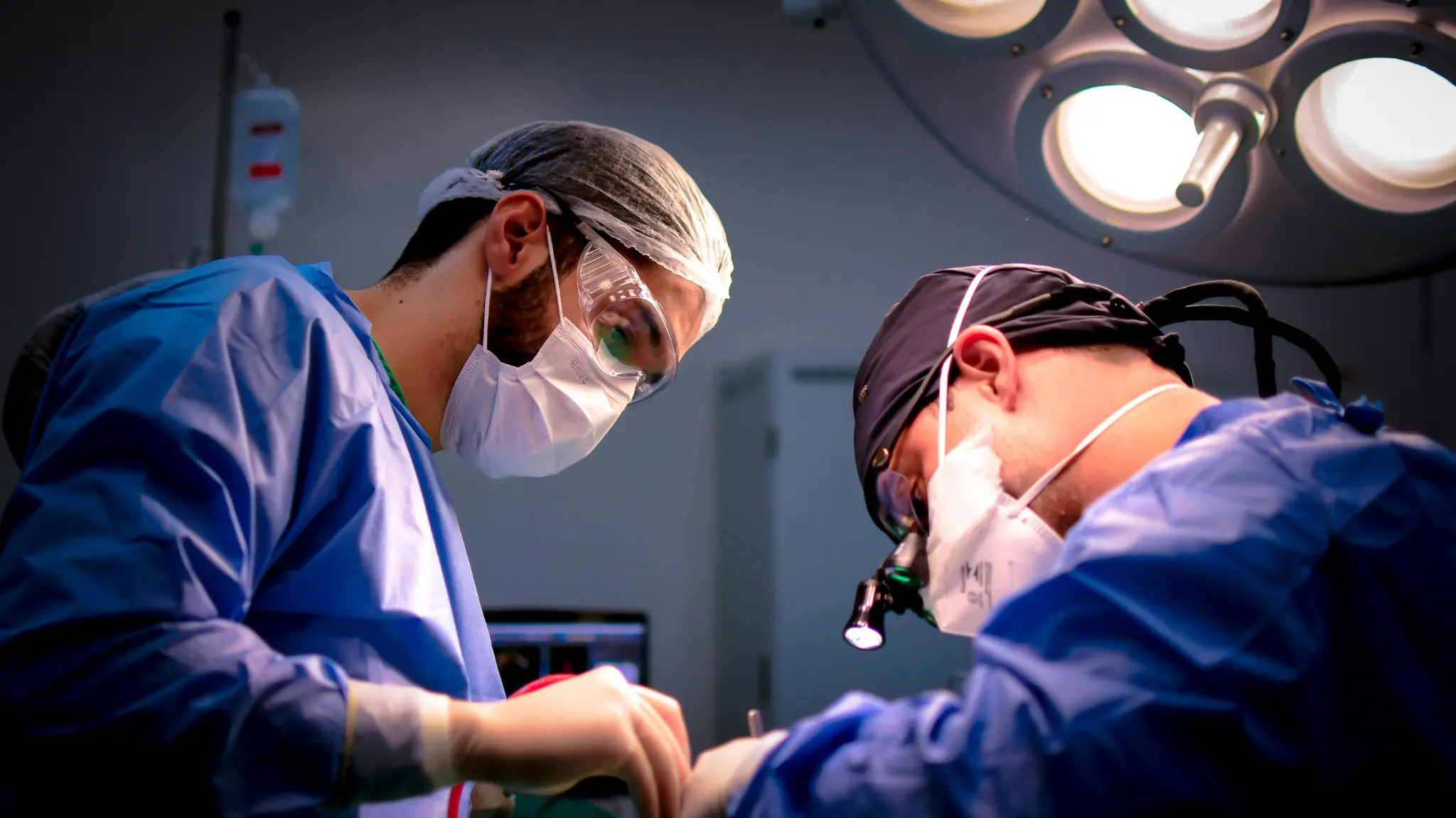



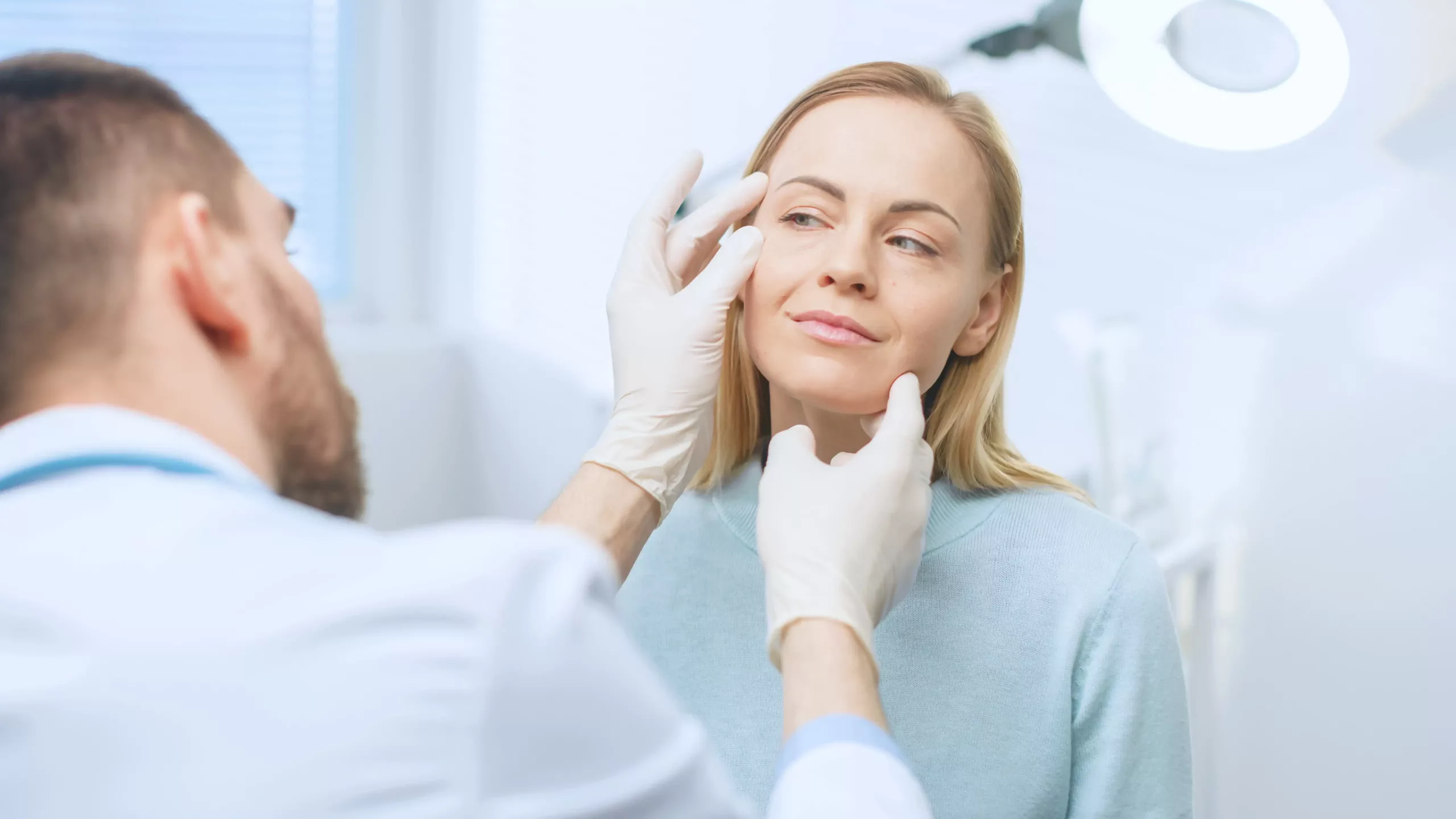
Cosmetic surgery can dramatically improve confidence, self-esteem, and overall quality of life. However, achieving your desired results safely requires more than just skillful surgery—it depends on patient safety, thorough preoperative assessment, and comprehensive aftercare. At Transform Cosmetic Surgery, patient safety is the cornerstone of every procedure we perform, ensuring you achieve transformative results while minimizing risks.
Why Patient Safety Matters in Cosmetic Surgery
Cosmetic surgery involves anesthesia, surgical procedures, and recovery monitoring. Without proper precautions, patients risk complications, infections, or unsatisfactory outcomes. According to the Royal College of Surgeons, safe cosmetic surgery includes careful patient assessment, qualified surgeons, and post-operative care. Choosing a provider that prioritizes safety is crucial for your well-being and long-term results.
Choosing a Trusted Provider: The Transform Commitment
With over 50 years of experience, Transform Cosmetic Surgery combines expertise, innovation, and a patient-first approach. Key safety measures include:
GMC-Registered Surgeons
All procedures are performed by General Medical Council registered surgeons, ensuring high professional standards.
CQC-Regulated Facilities
Procedures take place in Care Quality Commission inspected hospitals, guaranteeing safe, clean, and well-governed environments.
Comprehensive Aftercare
Our aftercare programs guide patients through recovery with medical, psychological, and lifestyle support.
The Role of Aftercare in Patient Safety
Aftercare is vital for safe recovery and maintaining long-term results. Transform’s aftercare ensures patients are supported at every stage:
- Two Years’ Access to Cosmetic Surgeons and Psychotherapists as needed.
- Clinical Nurse Team Support for ongoing guidance.
- Transform Toolkit with skincare, recovery essentials, and aftercare guides.
- Lifelong Access to Patient Support Helpline for continuous reassurance.
Effective aftercare reduces complications, enhances healing, and helps patients adjust to their new appearance.
Preparing for Surgery: Ensuring Medical Readiness
Proper preparation is key to minimizing risks. Transform conducts thorough preoperative assessments, including:
- Medical History Review to identify potential risk factors.
- Physical Assessments to tailor procedures to individual needs.
- Anesthesia Evaluation to ensure patient suitability and safety.
These steps align with guidelines from the NHS on safe cosmetic procedures.
Post-Operative Care: Monitoring and Support
Recovery is a critical part of patient safety. Transform provides detailed post-operative care, including:
- Wound care guidance to prevent infection.
- Medication management for pain control and complication prevention.
- Lifestyle modifications to support healing.
Regular follow-up appointments with our surgeons and nursing team, along with 24/7 support, ensure recovery remains safe and smooth.
Psychological Support: Emotional Well-Being Matters
Patient Stories: Real Experiences, Real Confidence
Mandy Johnston shared:
“I had plenty of follow-ups at the clinic and my next will be in six months. The aftercare has been exemplary – nothing is too much trouble.”
Heather Burns Browne commented:
“The aftercare was spot on too. I would highly recommend Dr Elamari.”
These testimonials highlight how Transform’s commitment to patient safety and aftercare fosters confidence and satisfaction.
Transform’s Nationwide Network of Care
Transform offers world-class care through a network of flagship hospitals and partner surgical centres, including:
- Electiva Hospitals Manchester and Glasgow
- Partner centres in Birmingham, Nottingham, London (Harley Street and Finchley), and Newcastle
This ensures patients receive consistent, high-quality care in convenient locations.
Comprehensive Patient Support
Transform supports patients at every stage with:
- Specialist nurses for recovery guidance
- Personal patient advisors for reassurance and questions
- Multi-disciplinary teams collaborating to ensure safe outcomes
By providing a supportive environment, Transform enhances both safety and patient experience.
Why Choose Transform Cosmetic Surgery
- Experienced Surgeons: Over 45 GMC-registered consultants with specialist expertise.
- Comprehensive Aftercare: Programs supporting physical and emotional recovery.
- CQC-Regulated Facilities: Safe, accredited surgical environments.
- Patient-Centered Approach: Tailored care ensuring safe, natural, and proportionate results.
Choosing Transform means selecting a provider dedicated to safety, confidence, and exceptional outcomes.
Patient safety is the foundation of cosmetic surgery. At Transform Cosmetic Surgery, we combine expert surgeons, accredited facilities, and comprehensive aftercare to ensure every patient’s journey is safe and transformative. By prioritizing medical readiness, post-operative support, and emotional well-being, we ensure results are not only beautiful but sustainable.
If you are considering cosmetic surgery, learn more about our aftercare programs and schedule your free consultation today.
For more information on safe cosmetic surgery practices, visit BAAPS or review guidance from the NHS.


